

The U.S. Court of Appeals for the Eleventh Circuit recently affirmed the dismissal of a borrower’s petition seeking relief under the federal All Writs Act for purported violations of the automatic bankruptcy stay in continued foreclosure proceedings and purported violations of the borrower’s rights to remove the state court proceedings to the bankruptcy court.
Posts published in “Mortgage Banking Foreclosure Law”
Mortgage Banking Foreclosure Law

The U.S. Eighth Circuit Court of Appeals recently upheld a trial court's summary judgment ruling against a borrower on a claim alleging a violation of the Minnesota Mortgage Originator and Servicer Licensing Act (MOSLA) due to his failure to prevail on his claims asserted under the federal Real Estate Settlement Procedures Act (RESPA) upon which the borrower's MOSLA claims were predicated.
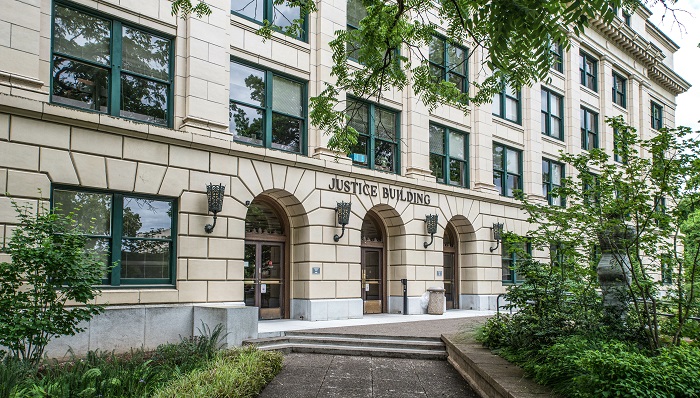
The Oregon Supreme Court recently held that a lien for delinquent condominium assessments has priority over a first mortgage or deed of trust, where the mortgagee fails to initiate a foreclosure action within the 90-day notice period prescribed by ORS § 100.450(7).
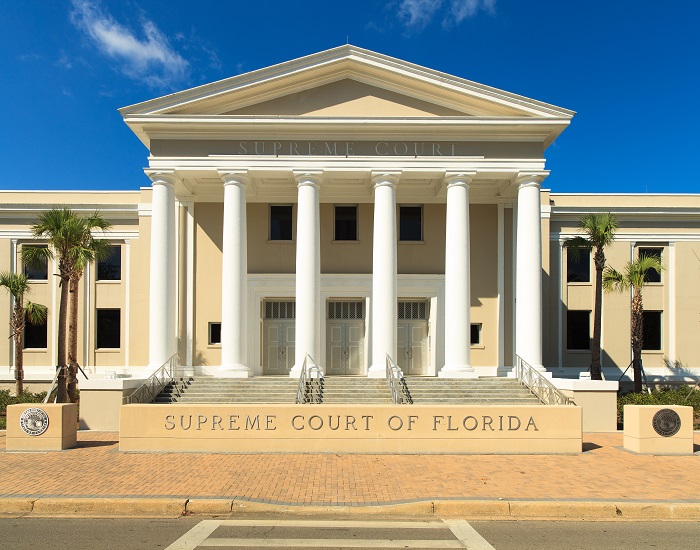
The Florida Supreme Court recently resolved a split in Florida law on the issue of attorney’s fees in favor of consumers, holding that debtors who prevail when a creditor sues under an account stated cause of action instead of for breach of the underlying credit card agreement are entitled to recover attorney’s fees under the so-called “reciprocity provision” of subsection 57.105(7), Florida Statutes.

The Appellate Court of Illinois, Second District, recently affirmed a trial court order dismissing a borrower's attempt to vacate a default foreclosure judgment as untimely because the borrower's first attempt to undo the foreclosure, which was withdrawn without prejudice, did not toll the time to file the petition within 60 days from the borrower's first appearance in the case.

In a per curiam ruling, the Supreme Court of Texas recently held that the holder of a deed of trust was entitled to foreclose through equitable subrogation, even after it had failed to timely foreclose on its deed of trust.

The U.S. Court of Appeals for the Second Circuit recently held that property in which a debtor’s dependent son lived part-time with his father qualified for the so-called homestead exemption contained in section 522(d)(1) of the Bankruptcy Code, regardless of state law.

The Massachusetts Supreme Judicial Court recently held a "hybrid notice" related to foreclosure was neither inaccurate nor deceptive where the notice included overlapping reinstatement periods required by both the mortgage instrument and state statute.

The U.S. Court of Appeals for the First Circuit recently reversed the judgment of a trial court declaring a home equity line of credit invalid, but granting the holder of the HELOC an equitable lien on the HELOC’s secured property.

The Court of Appeal of the State of California, Fifth District, recently held a trial court incorrectly applied the statute of limitations on an alleged quiet title claim, where the statute of limitations to foreclose a first deed of trust had already run, and the lien had been extinguished, prior to the filing of the alleged quiet title claim.

The U.S. Court of Appeals for the Ninth Circuit recently held that the application of Nevada’s “superpriority lien” statute was not an uncompensated taking under the Takings Clause nor did it violate the Due Process Clause of the U.S. Constitution.

The U.S. Court of Appeals for the Ninth Circuit recently affirmed entry of summary judgment in favor of a mortgage servicer against claims brought by plaintiff homeowners that obtaining their credit reports after their mortgage loans had been discharged in bankruptcy willfully violated the federal Fair Credit Reporting Act.